We've all been there: the lesson is dragging, students are restless, and you need a quick reset. No prep brain breaks on screen are the perfect solution. By utilizing the projector already running at the front of your room, you can redirect energy without printing a single worksheet or passing out materials. (You can read more about educational technology trends on Edutopia).
Table of Contents
- Why Use Screen-Based Brain Breaks?
- Quick On-Screen Games
- Movement and Stretching Resets
- Best Practices for a Smooth Return
Why Use Screen-Based Brain Breaks?
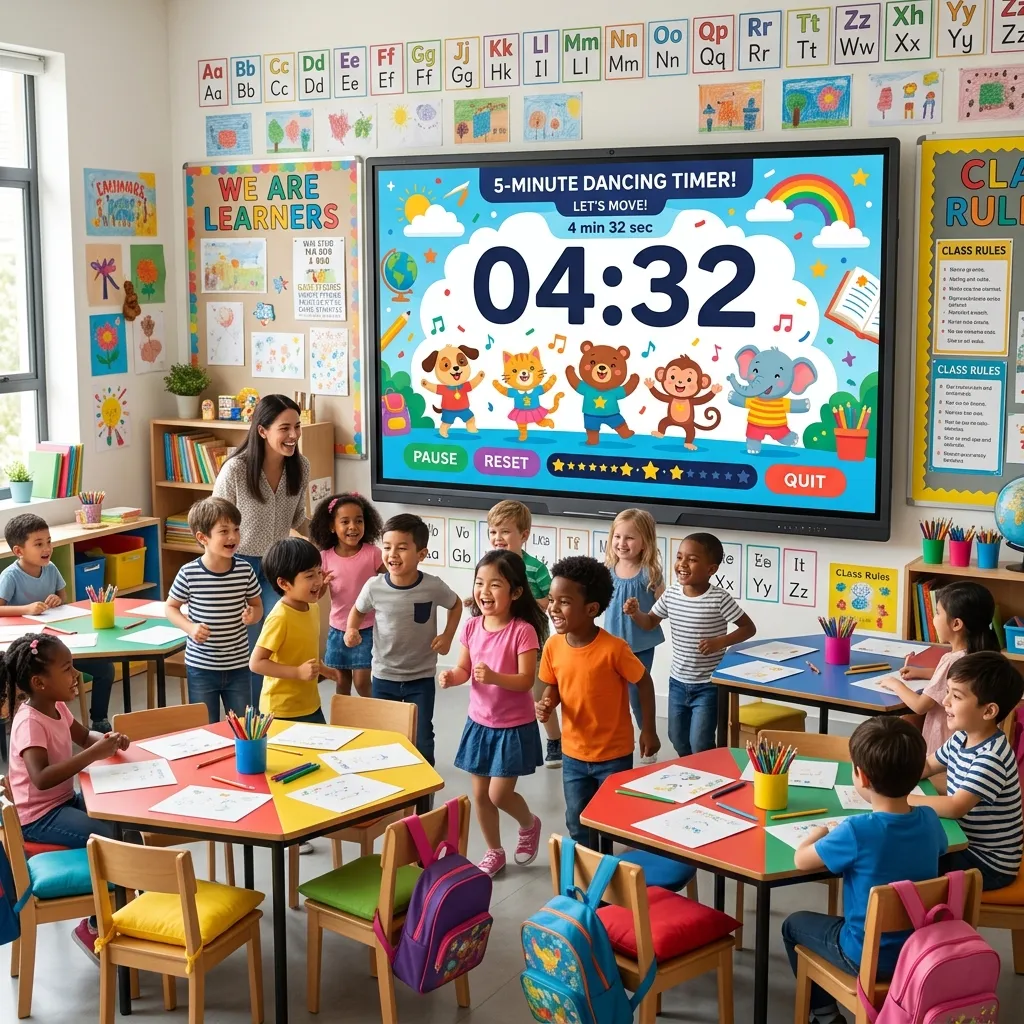
A brain break should be exactly that: a break. If it takes five minutes to set up, it defeats the purpose. Utilizing a free digital board means your tools are always just one click away. You don't need student devices, and you don't need to navigate away from your lesson plan for long.
Quick On-Screen Games
Simple games are fantastic for a quick mental shift. Using built-in widgets on platforms like MyClassScreen, you can easily facilitate short classroom games. Try putting up a quick riddle or using a random name picker to select students for a rapid-fire trivia question. Two minutes of a fun, low-stakes game is often enough to completely refresh the room's energy.
Movement and Stretching Resets
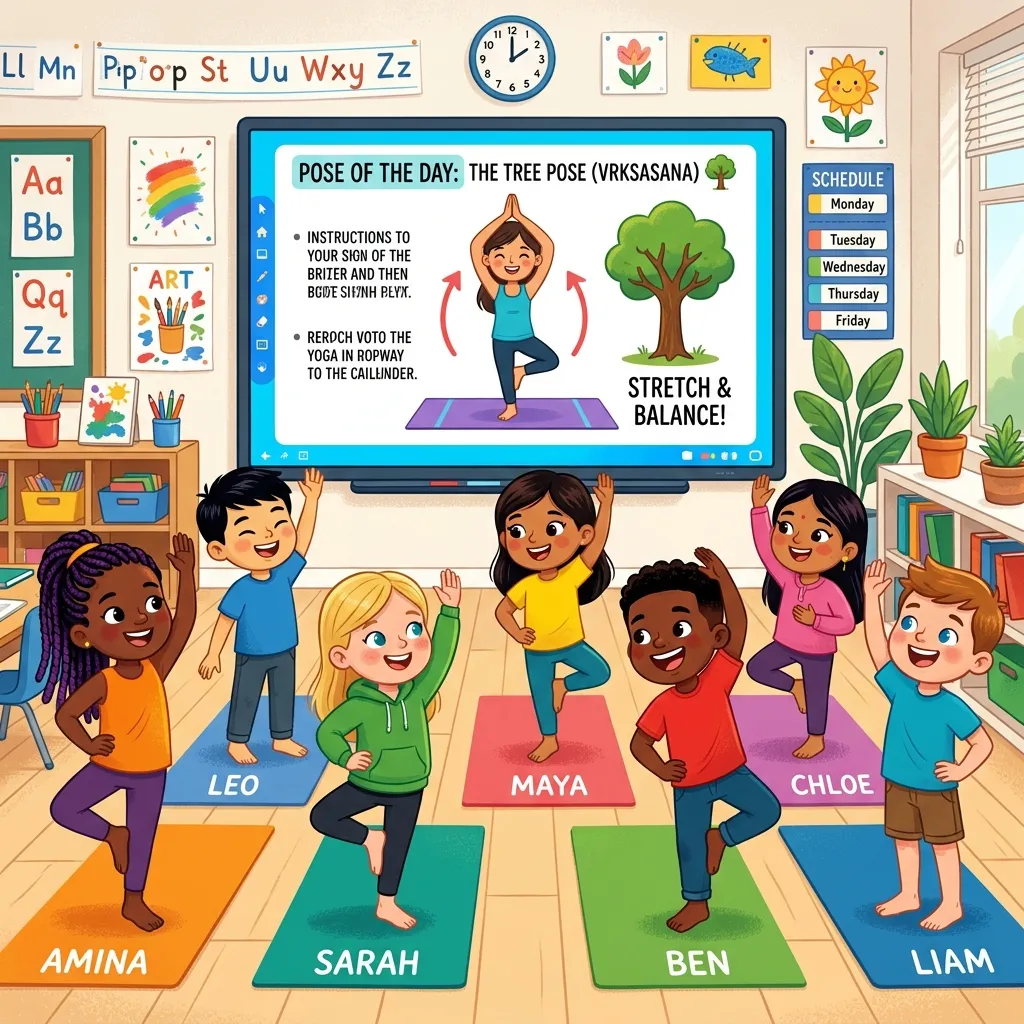
Sometimes students just need to move. Display a 2-minute timer and lead the class in some simple stretches or cross-body movements. If you're concerned about the noise level getting out of hand during a movement break, project a noise meter alongside the timer. This visually reinforces CHAMPS expectations while still allowing for physical release.
Best Practices for a Smooth Return
The hardest part of a brain break is the transition back to work. Always use a timer so the boundary is clear and predictable. Consider combining your break with an SEL check-in as students settle back into their seats.
If you're exploring different ways to manage these breaks, check out our comparison of Classroomscreen vs ClassPoint or browse our alternatives hub to find the best fit for your teaching style.
The Science Behind No Prep Brain Breaks
Why do brain breaks work so well? Cognitive science shows that the human brain can only sustain highly focused attention for relatively short periods (typically matching the child's age in minutes, up to about 20-30 minutes for older students). When a teacher pushes through these natural attention limits, the brain's amygdala becomes stressed, blocking new information from reaching the prefrontal cortex where long-term memory is stored. By deploying quick, no prep brain breaks, you allow the cognitive load to reset. This is why utilizing digital tools on your smartboard is so effective—it requires zero transition time and immediately re-engages the students' visual and auditory processing systems in a low-stakes environment.
Frequently Asked Questions About Brain Breaks
How long should a brain break last?
An effective brain break should last between 3 to 5 minutes. Anything shorter may not fully reset the students' attention, and anything longer risks entirely derailing the lesson plan and making it difficult to transition back to academic work.
Do brain breaks have to involve physical movement?
No! While physical movement (like a quick dance or stretching) is fantastic for oxygenating the blood, a brain break can also be a quiet mental shift, such as deep breathing exercises, a quick visual puzzle on the screen, or a silent drawing prompt.